Deciding on the tech demo - Week 2
The Process Behind the Frame
Published
Topic
DES303
It's Getting Serious
This week was about one thing: committing. Coming off week one with two possible directions in my head, I needed to actually decide what my tech demo would be and start building it out. This post walks through that process using Gibbs' Reflective Cycle, covering the ideation and decision making, the role a conversation with a friend played, and what prepping for the demo actually taught me about how I work.
Let's Apply
This week I used mind mapping as my main brainstorming tool to work through my demo direction. Starting from my core interests in video, storytelling, and creative production, I let the map expand outward without forcing anything too early. A few directions came up: exploring AI and what it means for creative work right now, specifically for writing, scripting, and narrative development, as well as video generation and editing assistance. Video editing as a standalone craft direction also surfaced separately.
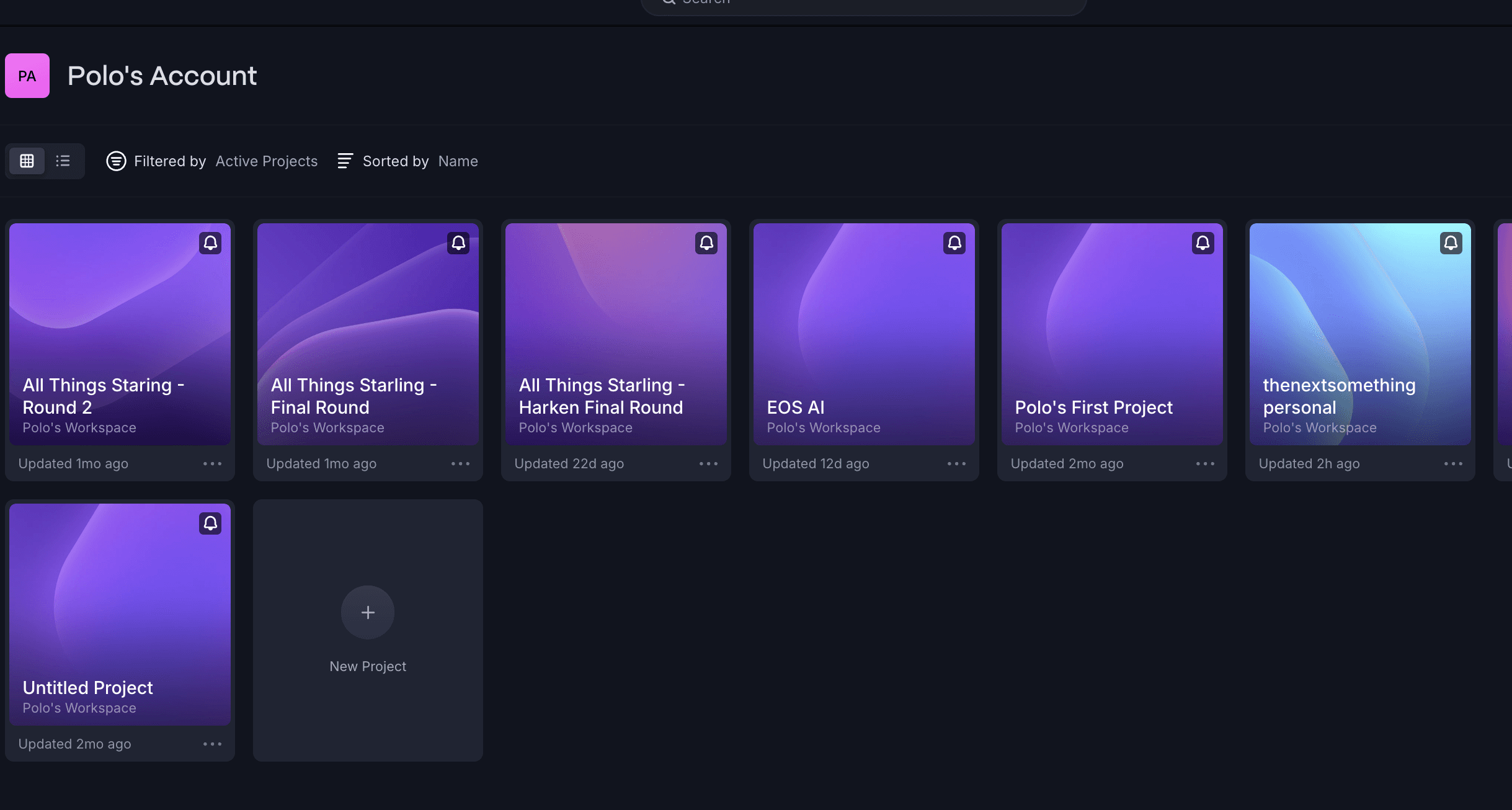
Alongside the mind mapping, I had a conversation with my friend and classmate Rohan, who is in my group. I was struggling to land on an idea and I asked him directly: what would you genuinely want to know about my business, my tech stack, or how I do things? He said: how you work with your team and editors. That answer made something click. From there I committed to building the demo around my editing process at The Next Something, specifically the workflow from scripting and storyboarding all the way through to final delivery, using Miro, Loom, and Frame.io as the tools that hold the whole system together.
Specifically, how I work with my editors to take raw footage and shape it into something that actually represents a brand the way it needs to be represented. It is not just a technical process, it is a creative and communicative one. Decisions are being made at every stage about what the story is, what stays, what gets cut, and why. That felt like something genuinely worth showing.
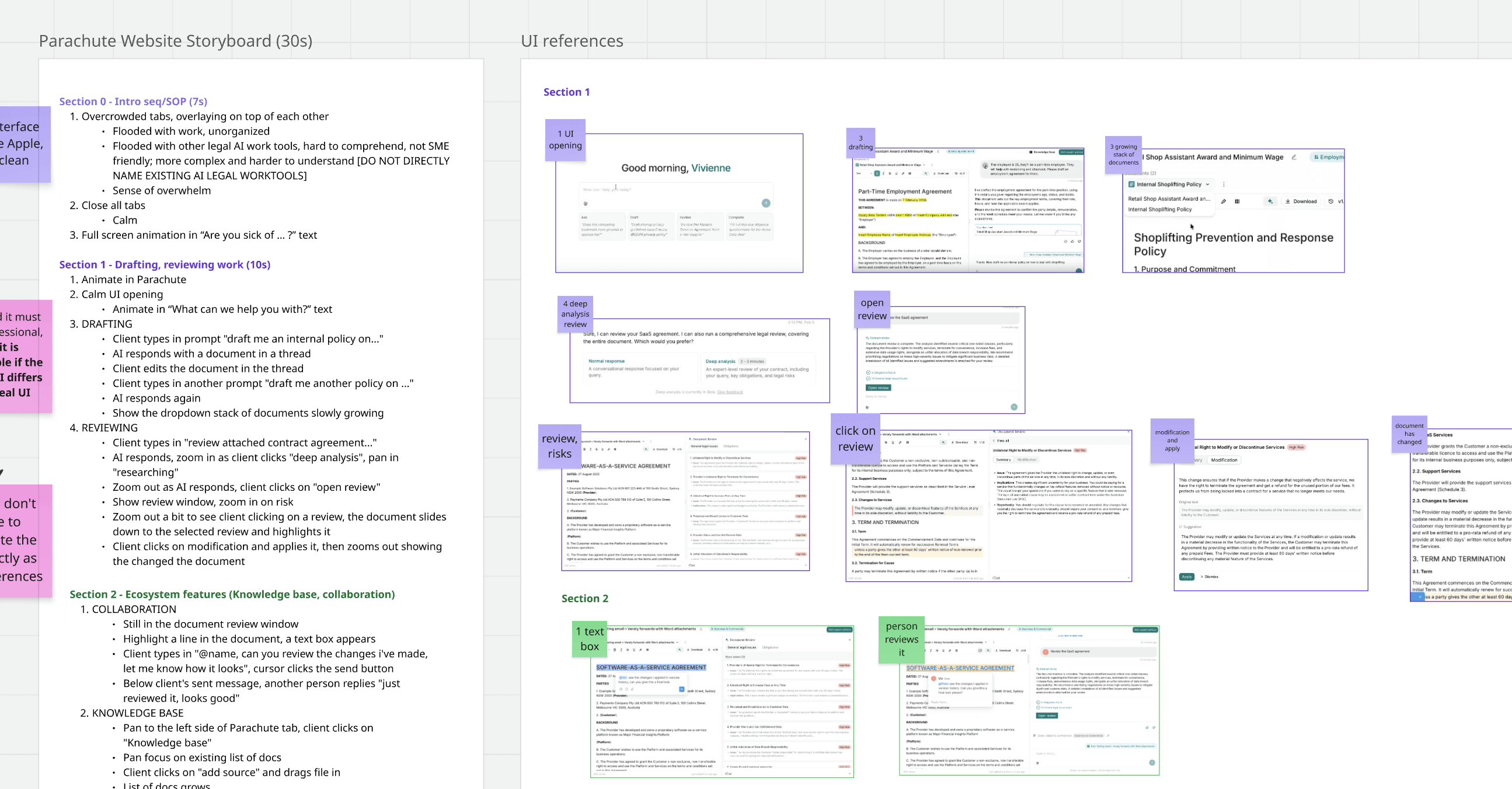
For the tech demo itself, I want to take people through a real example from start to finish. That means walking through the scripting and storyboarding process first, how we figure out what the video is actually trying to say before anyone touches a timeline. Then moving into the tools we use to make the whole thing work: Miro for collaborative planning and visual thinking, Loom for communicating feedback and direction clearly across the team, and Frame.io for the review and revision process with editors. The goal is to show that great video does not start in the edit, it starts way earlier than that, and the edit is just where all those earlier decisions come to life.
The mind mapping phase felt expansive in a good way at first, then slightly overwhelming as more directions opened up. There was a point where the AI branches of the map were genuinely interesting to look at, and I felt some pull toward them. But there was also something sitting underneath that that was harder to name at the time.
The conversation with Rohan shifted things quickly. When he said what he actually wanted to know about, I felt a clarity that the mind map alone had not given me. It was not gradual. It landed fast. And once I had committed to the editing process direction, the pressure I had been carrying that week dropped noticeably. The decision itself felt like a relief, and what came after it felt like momentum.
The AI direction was interesting on paper but would not have been the right demo for me. Not because AI is not relevant to creative work, it clearly is, but because my actual expertise and passion sits elsewhere. A demo only lands when the person presenting it can talk freely, go off script, answer questions from genuine knowledge, and make the audience feel like they are getting access to something real. I could not have done that with AI. I can do that with my editing process.
Analysis
Prepping for the demo also pushed me to improve the actual internal processes at The Next Something. Thinking about how to explain the workflow clearly made me realise where the gaps were. That was unexpected but useful.
The other thing this week reminded me of is something I genuinely believe about how to move forward on anything: make a decision and make it the right one. The longer you sit in indecision, the worse the outcome. Inaction is its own choice, and it is rarely the better one. I got to the right direction faster because I stopped weighing options and started asking better questions, specifically by going to someone else and asking what they actually wanted to know.
Conclusion and Action Plan
The main thing I learned this week is that outside perspective cuts through self-doubt faster than any solo brainstorming session. The mind map helped me see what was possible. Rohan's question helped me see what was worth doing. Both were necessary but in different ways. I also learned that prepping for a demo about your own process will improve the process itself, which is a more useful side effect than I expected.
Before next week I need to structure the demo around a real example from The Next Something so the audience is seeing something live, not a reconstruction. The scripting and storyboarding section needs to feel like a genuine walkthrough, not a slide deck. The tools section, Miro, Loom, and Frame.io, needs to show how they fit together as a system rather than appear as three separate things. And I want to make sure there is enough room in the demo for questions, because the most interesting part of what I am showing is the thinking behind the decisions, not just the decisions themselves.