Week 5: Going deeper on the brief
From San Francisco to a speculative future NZ
Published
Topic
DES303
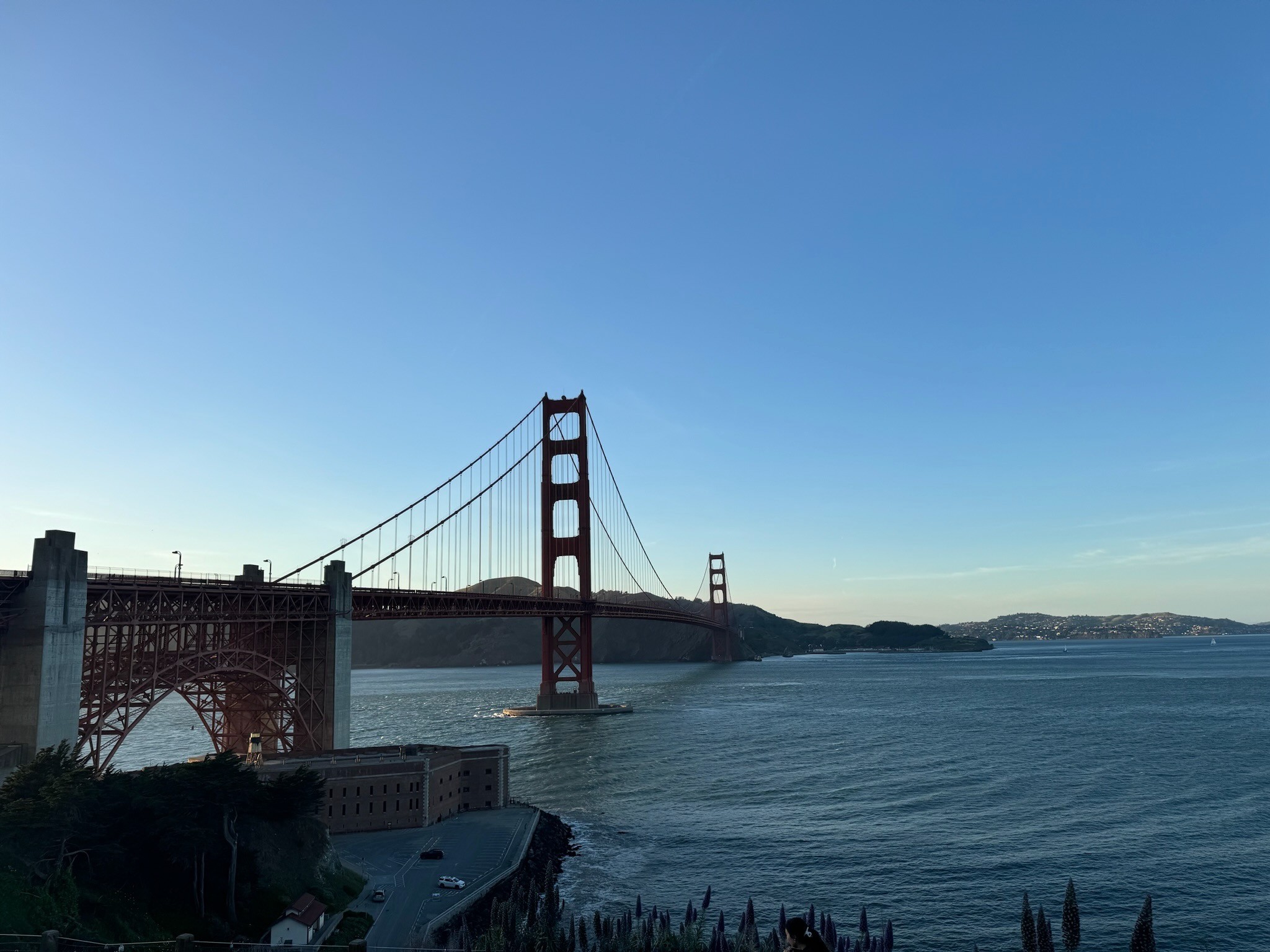
Week five. Things are starting to feel less like planning and more like actual making, which is where I tend to come alive. This week I want to talk about three things: a trip to San Francisco that changed how I am thinking about this project, the creative references that have been shaping my thinking around format and experience, and where I have landed on what I actually want to make for the capstone.
San Francisco
I was in San Francisco recently, staying around the Mission and Dogpatch area, which is right in the middle of where a lot of the startup activity happens. I went in knowing it would be interesting. I did not expect it to hit the way it did.
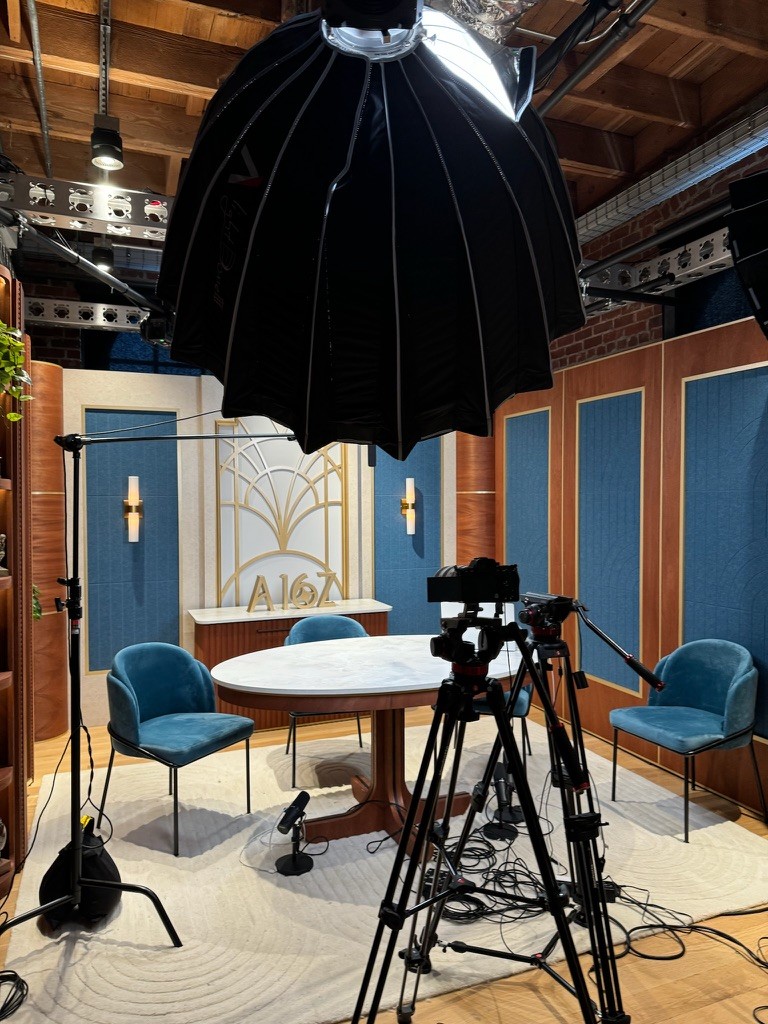
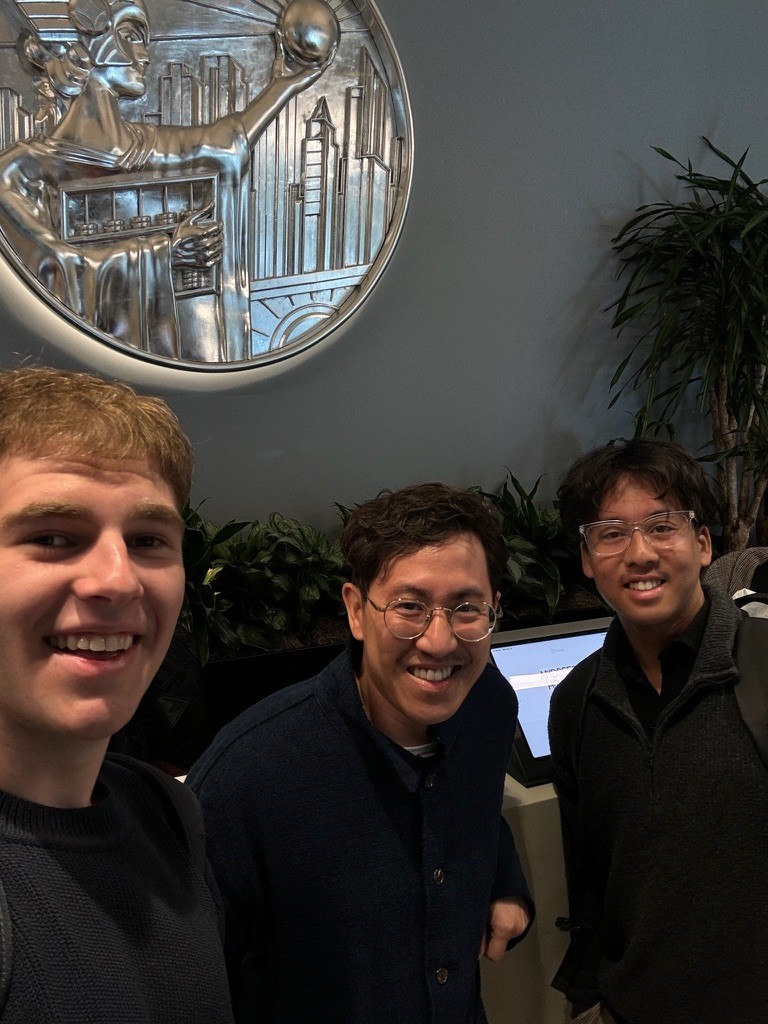
Visited A16Z office // Lester Chen, head of creators
The energy there is unlike anything I have experienced. I was in rooms with founders who were unbelievably young, building things that most people in New Zealand have not even heard of yet. Every single startup was centred around AI in some way, even the ones where AI was not really the core product. It felt like the word had become unavoidable, a badge that everything had to wear whether it fit or not. That observation alone is worth sitting with.
But the thing that really got me was the doomers. That is the term people use over there for a specific kind of person in the tech world, someone who genuinely believes AI is going to take over jobs, systems, maybe everything. And these were not fringe people. They were founders, operators, people building the very tools they were worried about. There was something almost funny about it, sitting in a room with someone who is actively shipping an AI product while also quietly convinced it might not end well for humanity. But they were also serious, and that seriousness stuck with me.
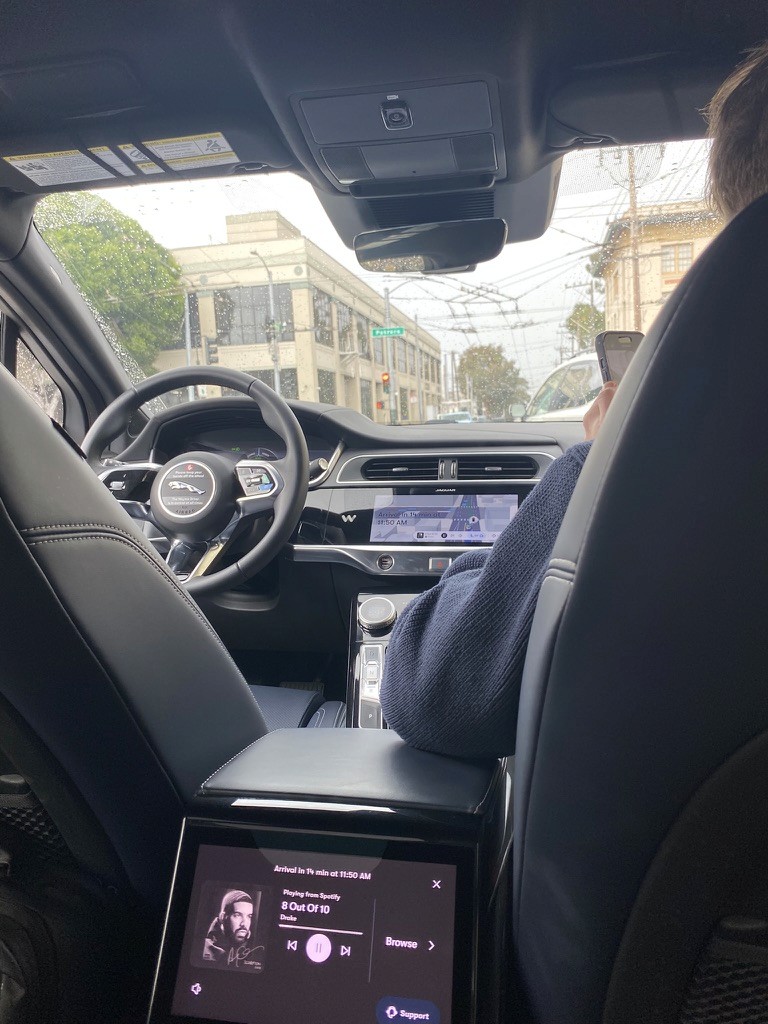
Waymo: Public self driving car
What San Francisco reminded me is that the tech capital of the world sees things roughly five years before everyone else does. The conversations happening there right now are the conversations the rest of the world will be having in half a decade. That context matters for this project because I am trying to make something speculative about a future Aotearoa, and the raw material for that future is already visible if you know where to look.
The doomer angle is also something I want to keep in my back pocket as a possible thread in the project. The tension between building and fearing what you build is a genuinely interesting one, and it sits right inside the question the brief is asking.
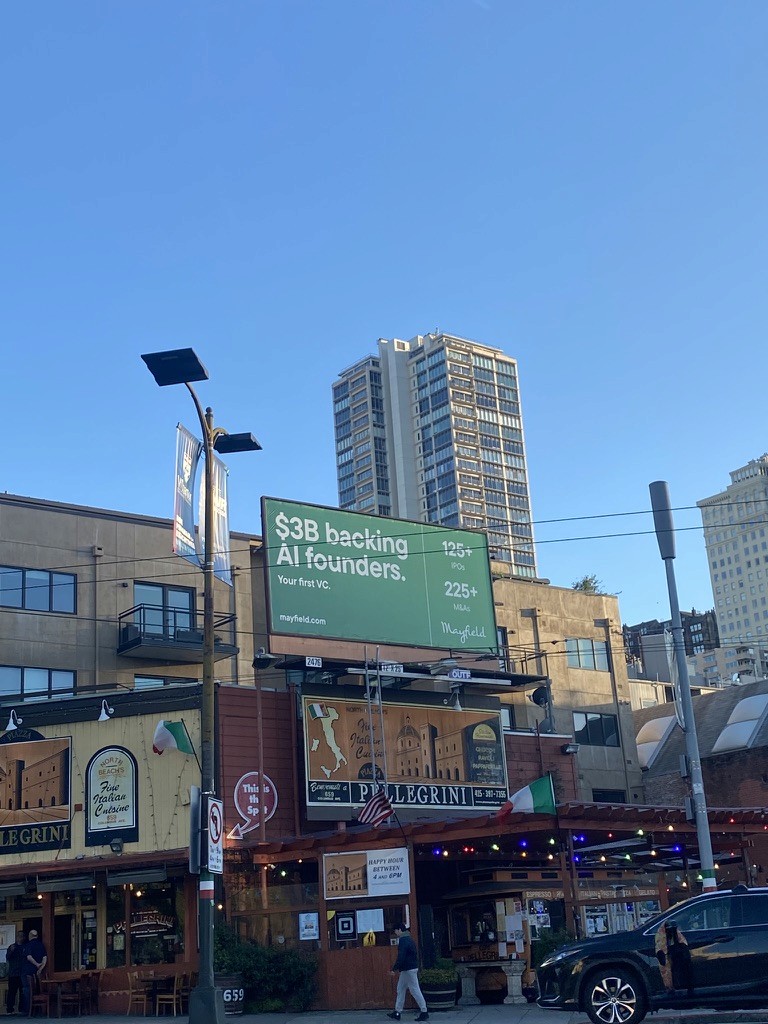
Every billboard in SF is about tech… every. single. one.
References That Are Shaping My Thinking
When I went back and read the brief properly, one phrase kept jumping out at me: placing an audience inside a speculative scenario. That is not just describing a concept, it is describing a feeling. And it made me think about the pieces of media that have actually done that to me.
Two Netflix projects came to mind immediately. The Bear Grylls interactive special and Black Mirror: Bandersnatch. Both of them did something that most content does not even attempt, they made the audience an active participant rather than a passive one. You are not watching someone make decisions, you are making them. The experience of being inside the story rather than outside it is something completely different, and once you have felt it, regular linear content feels like it is missing something.
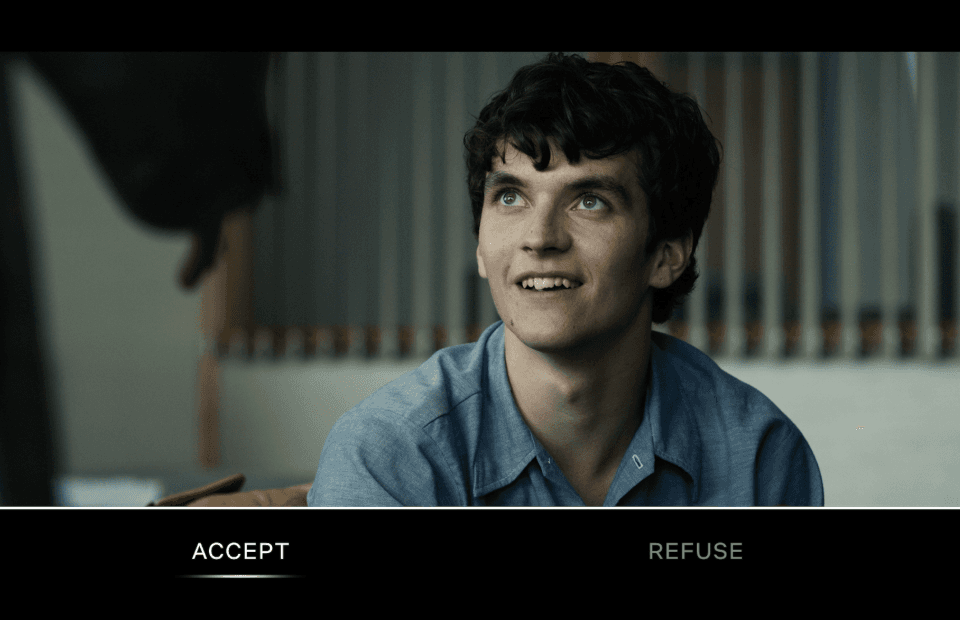
Blackmirror: Bandersnatch
There is also a format that has been growing in gaming: interactive story games where you choose your own path through the world. Dispatch is a recent one. Minecraft Story Mode is another. The choose-your-own-path structure has been around forever in books, but seeing it executed well in video and games makes you realise how much creative territory is still unexplored in that space.
I am not necessarily making something interactive for this project, but these references are shaping how I think about the relationship between the audience and the work. If the brief wants me to place someone inside a speculative scenario, I want the thing I make to actually feel like that world exists. Not explained. Felt.
What I Am Making
I have landed on video as the format. That felt clear pretty quickly given what I do and what the brief allows for. But I needed more than just a format, I needed a concept with enough weight to carry a film.
The thinking I kept coming back to was this: I need to invent a product, build the world around it, and then make the video that lives inside that world. The video is not a documentary about the product or an explainer of how it works. It is a fake launch film or promo that looks and feels like it genuinely came from that future. The product just needs to exist enough to film. A name, a look, maybe a prop or a mocked up UI.
After going back and forth across a few directions, I landed on a wearable. Something in the space of the Apple Vision Pro but built specifically around the creative process. Glasses or a headset with overlays that can see what you are doing while you work and sits with you through that process. Not taking over. Not generating things for you or being the star of the session. More of a companion that stays ambient, always present, always ready, noticing when you are stuck and offering something when it might help.
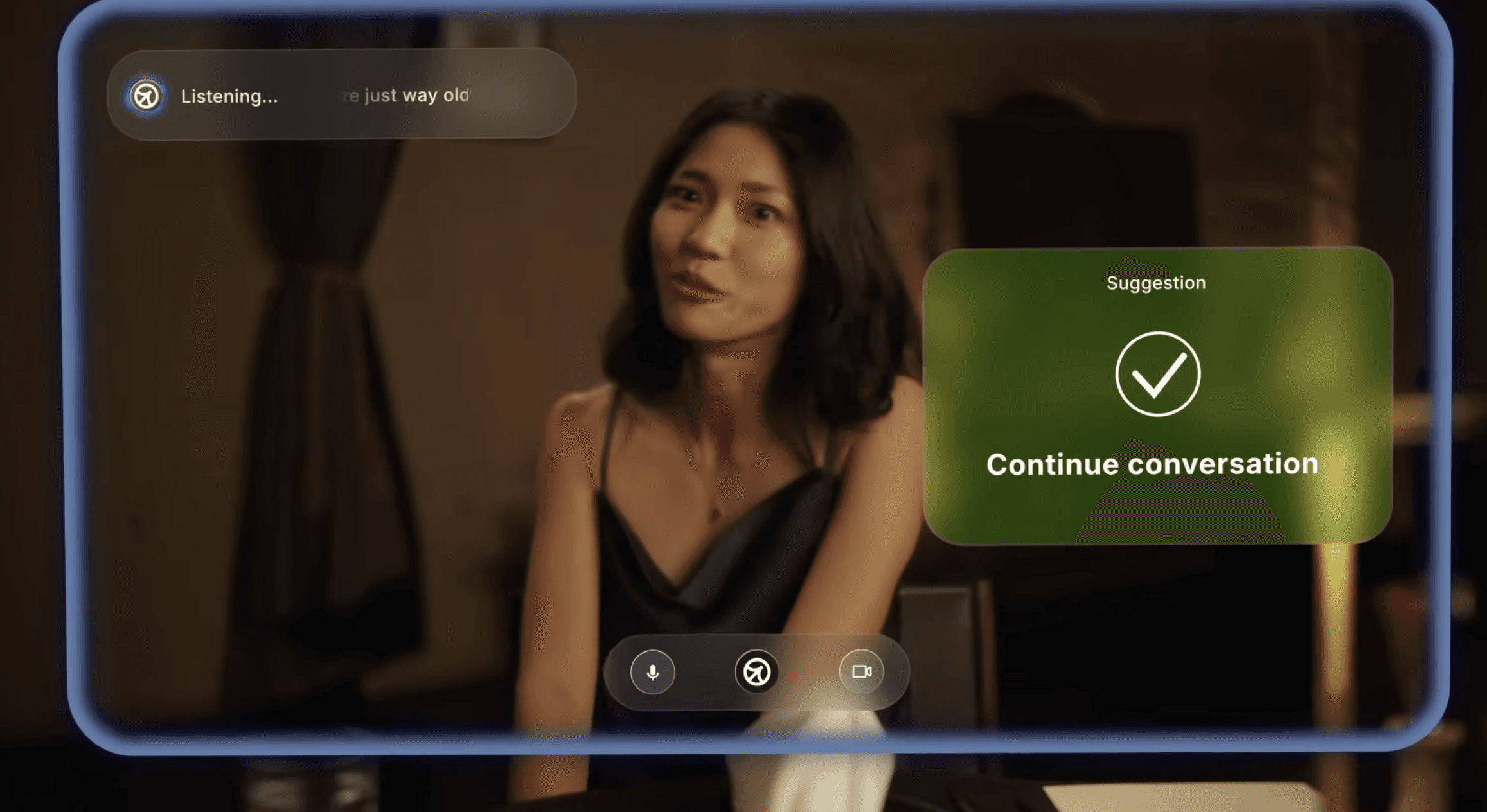
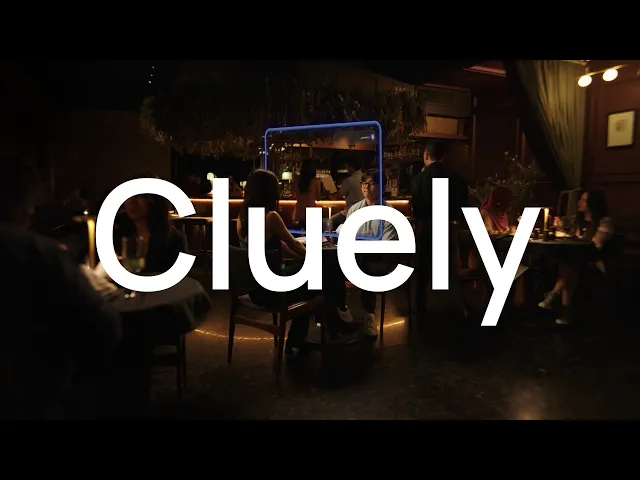
A video I kept thinking about and revising throuhgout this process was one of the Cluely launch videos. Maybe creating something like this?
The distinction I keep coming back to is this: it does not create, it only assists. The wearer puts it on when they are doing their creative work, and takes it off when they are done. The AI is not the creative. The human still is. It just means you never have to be alone in the process if you do not want to be.
I think this matters right now because so much of the conversation around AI, especially the kind I was hearing in San Francisco, is about replacement. Full replacement. Every job, every creative act, eventually handed over to a machine. The doomers believe it is inevitable. A lot of people outside that world are quietly afraid of the same thing. What I want this product to represent is a different version of that future. One where the technology amplifies rather than absorbs. Where the creative practitioner in Aotearoa, the filmmaker, the designer, the musician, still sits at the centre of their own work, but with something genuinely useful alongside them.
That is how I think this answers the brief question around how emerging technologies might transform making practices and understandings of creativity in Aotearoa. Not by replacing the maker. By changing what it feels like to make.
I do not have a name for it yet. I am thinking about what it should be called, what it should feel like as a brand, what the tone of the video should be. Quiet and understated feels right. Just a creator in a normal session with the device on. The collaboration playing out naturally. Letting that speak for itself rather than over-explaining what you are watching.
The world-building comes next. What year is this set in? What has changed in Aotearoa by then? Why does this product exist and who actually needs it? Those questions need answers before I can write a script or point a camera at anything.